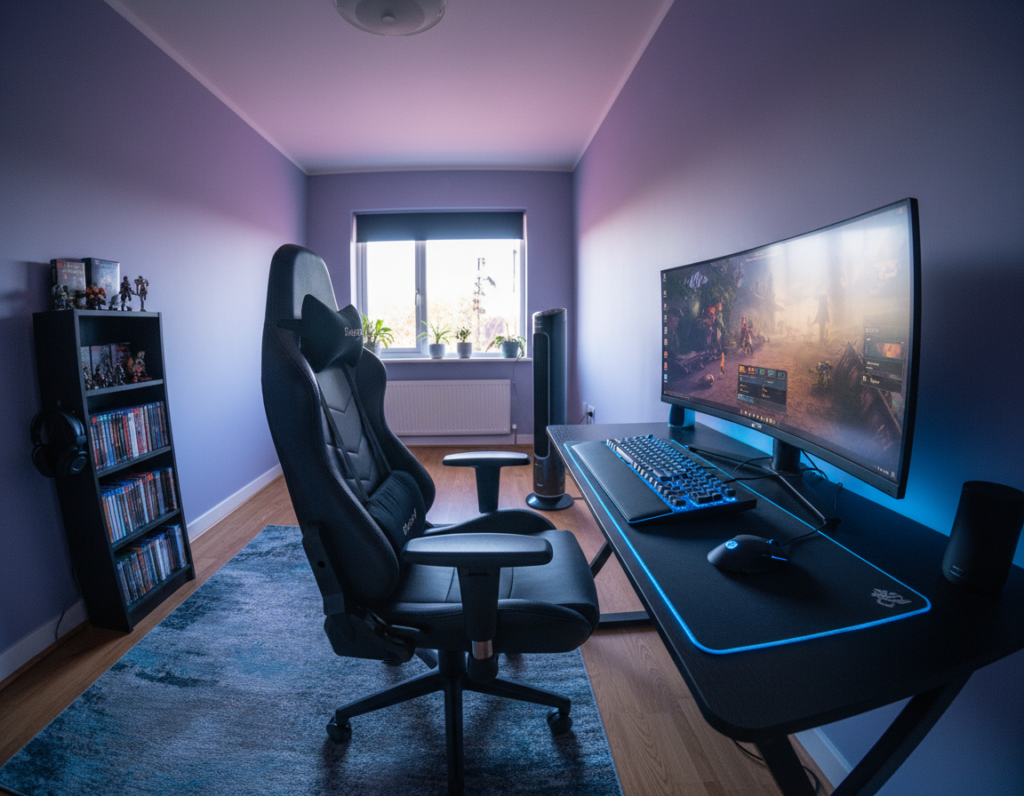
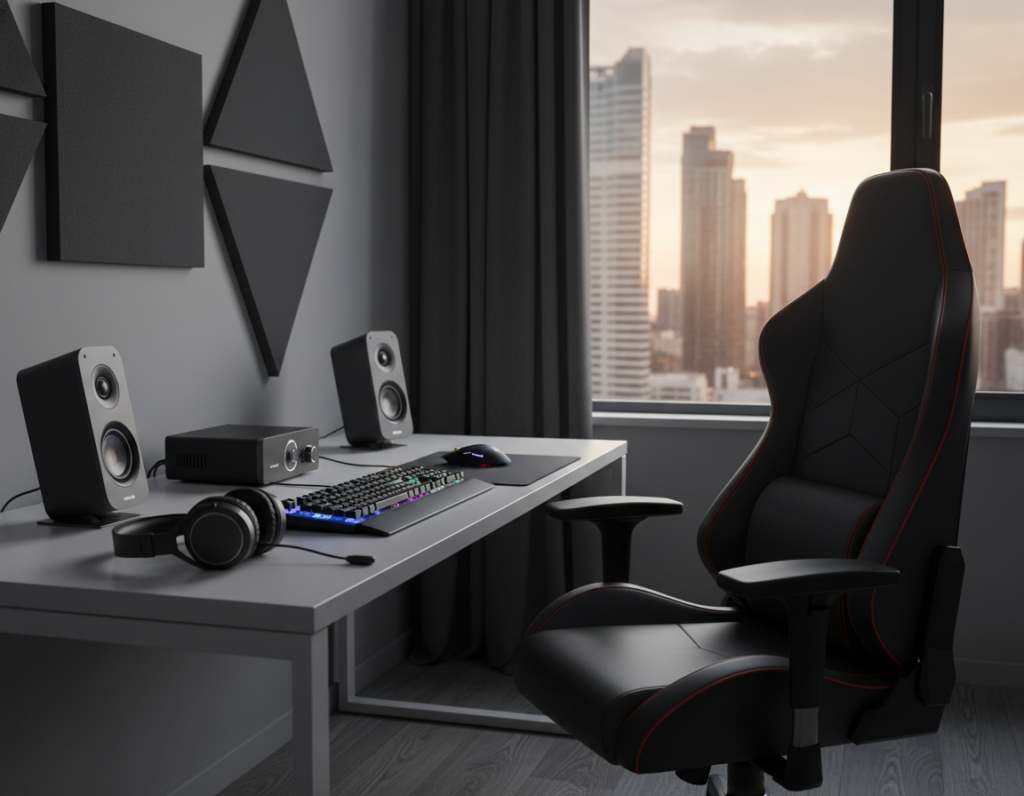
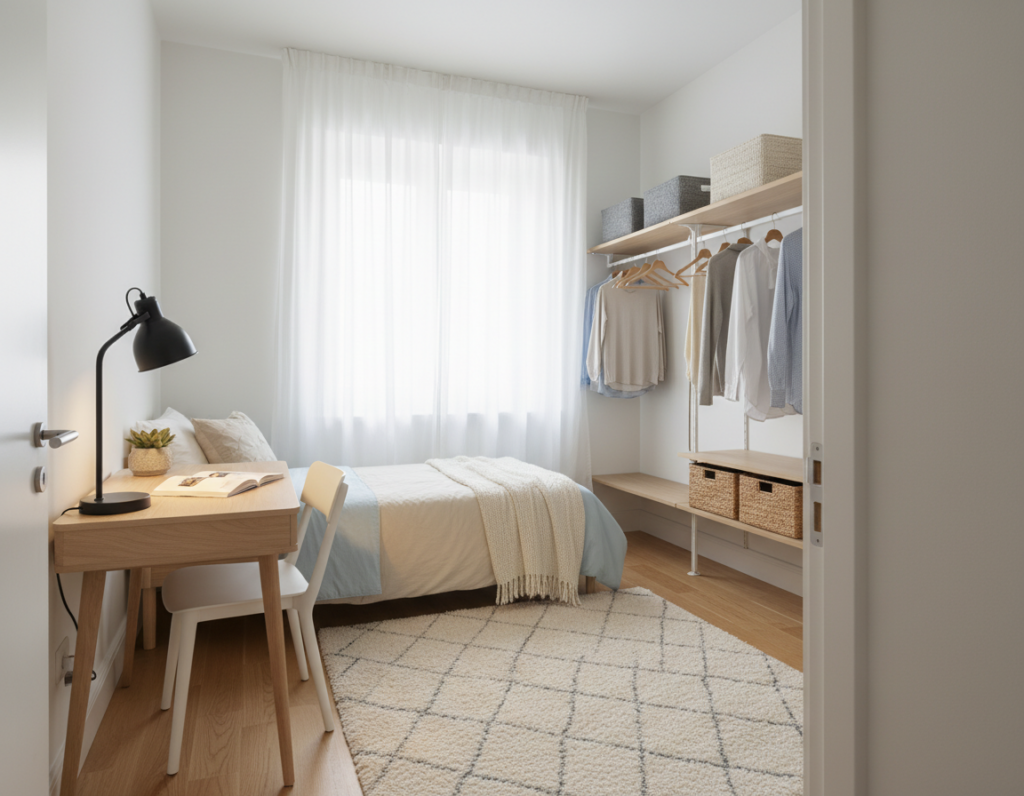
Transforming a tiny game spot into a calm, focused sanctuary starts with clear planning. The Game Room Spot Blog lists 15 practical ideas adults can use to maximize limited square footage and boost the gaming experience.
They recommend a pared-back design that keeps the screen view clean and minimizes busy decor. Choosing the right furniture and a simple theme helps a compact space feel intentional rather than cluttered.
Proper lighting and defined elements make an outsized impact. Designers use targeted light to carve out the game area and add depth, so a confined area reads as purposeful and roomy.
Later sections detail those 15 game room ideas and show how a focused setup, clever storage, and consistent style turn a tiny spot into a professional video gaming setup that complements the rest of the home.
Assessing Your Available Gaming Space
Knowing every inch of the space helps decide whether to install a full entertainment center or select compact gear. Start with a simple floor plan and mark doors, windows, and traffic paths.
Measure wall-to-wall and note ceiling height. These numbers prevent the common mistake of buying oversized gear that makes the area feel crowded.
Consider a professional layout assessment if dimensions are awkward. A specialist can spot unused corners that work well as a dedicated zone.
- Measure before you buy to avoid obstacles in walkways.
- Compare dimensions to typical furniture footprints to see what fits.
- Allow clearance for seating and cable access so the game setup stays comfortable.
With clear measurements, the homeowner can choose between a full game room install or space-saving solutions that keep the setup functional for both solo play and hosting friends.
Essential Small Gaming Room Organization Strategies
Maximizing vertical surfaces transforms tight layouts into tidy, efficient play zones. A focused plan for walls and modular units keeps the setup accessible without overwhelming the decor.
Wall-Mounted Systems
Wall-mounted cabinets and racks reclaim valuable floor area. A dartboard cabinet that folds closed hides clutter and preserves walking paths.
Mount consoles and controllers to keep cords off the floor and devices ready for the next session. Wall systems improve the gaming experience and make cleaning easier.
Modular Shelving
Modular shelves display favorite games while keeping visual clutter low. Open shelving works for arcade pieces and collectibles, while closed cabinets hide board games and accessories.
- Save floor space with wall-mounted dartboard cabinets and shelves.
- Use modular shelves to mix display and hidden storage for consoles and controllers.
- Install cabinets to tuck away board games, arcade add-ons, and extra gear.
Selecting Multipurpose Furniture for Tight Quarters
Choosing dual-purpose pieces turns a cramped area into a fully functional hub without extra square footage. This approach makes the most of every inch while keeping the visual plan simple and deliberate.
Convertible Tables
Convertible tables offer immediate flexibility. A single table can serve as a dining surface by day and a pool or table-top play surface by night. That swap saves space and adds value to the furnishing mix.
Hidden storage is the next advantage. Look for pieces with built-in compartments to stash paddles, cards, and controllers. This keeps the floor clear and the aesthetic tidy.
- Pick stackable chairs that tuck away when not in use to keep clear pathways.
- Choose a console table that doubles as a central hub for consoles and gear.
- Select furniture pieces with multiuse surfaces and concealed storage for long-term flexibility.
Maximizing Vertical Storage Potential
Using vertical storage turns bare walls into functional displays that cut floor clutter fast. It keeps circulation clear and lets key pieces act as decor and storage at once.
Wall-mounted racks are ideal for cue sticks, a triangle rack, and chalk because they use no floor space. A dedicated rack keeps equipment visible and ready while protecting the floor footprint.
Floor-to-ceiling shelves showcase a curated collection of games and accessories. They create a gallery effect that highlights favorite titles and keeps boxes within easy reach.
High-quality shelves and sturdy wall anchors allow the homeowner to shrink furniture needs without sacrificing access. By moving storage up, the game area reads as intentional rather than crowded.
- Install racks to keep cues and gear off the floor and tidy.
- Choose adjustable shelving to accommodate board games and specialty pieces.
- Use wall space to preserve the floor for seating and play surfaces.
Implementing Effective Cable Management Solutions
Tidy cable runs turn a cluttered setup into a clean, professional play area. Effective cable management is a necessity for any serious gaming room.
Start with a cable management box to corral power strips, HDMI leads, and chargers. These boxes keep consoles and controllers connected without letting cords spill onto the floor.
Use wall-mounted clips and raceways to route lines along the wall and behind shelves. This keeps the floor clear and reduces trip hazards while making the game area feel intentional.
“A clean wiring plan lets players focus on play instead of tangles.”
- Hide power bricks and extra adapters inside cable boxes for a neater look.
- Label each cable so swapping a console or accessory is fast and stress-free.
- Bundle excess length with Velcro ties to avoid a messy pile under furniture.
Proper cable management improves the visual depth of the space and protects gear. With a few simple products and consistent routing, the game room looks sharper and works better.
Creating Dedicated Zones for Different Gaming Styles
Designating clear play zones helps each setup perform at its best and keeps the entire space feeling intentional. Defining areas reduces visual clutter and improves the user experience for every kind of player.
Console Areas
A console area should center on a wall-mounted screen and quality seating. Comfortable chairs and a clear sightline to the screen make long sessions easier.
Install shelves for controllers and accessories so the console setup stays neat and ready.
Tabletop RPG Stations
Tabletop stations benefit from a dedicated table and custom cabinets for board games and miniatures. Easy access to storage keeps play fast and cleanup simple.
Use a rug or pendant light to mark the table as a distinct place for group nights.
PC Workstations
PC areas need ergonomic furniture and tidy cable runs to avoid distractions. Proper desk height and monitor placement improve posture and the video experience.
- Define zones with lighting or rugs.
- Keep storage for peripherals close at hand.
- Use wall shelves to free the floor for seating.
Optimizing Lighting to Enhance Visual Depth
Thoughtful lighting can sculpt depth and make a compact game area feel layered rather than flat. Designers use targeted illumination to add dimension and guide sight lines across the space.
Ambient LED strips behind a TV or tucked under shelves create a soft halo that separates the screen from the wall. That glow makes the game setup feel premium and intentional.
Layering light prevents dark corners and keeps the room from reading as closed-in. Combine ambient strips with a focused task light and a dimmable overhead to balance brightness.
- Place LEDs behind the display to increase perceived depth.
- Use warm accent lights to highlight shelving and decor without glare.
- Layer fixtures so the entire space stays inviting for every game night.
“Good lighting turns flat surfaces into visual planes that expand a compact play area.”
Choosing the Right Display for Your Gaming Setup
Mounting the main display on the wall instantly frees valuable floor territory and sharpens the visual focus of a game area. A wall display creates a clean profile that suits both console and PC play.
Wall-Mounted TV Mounts
Wall-mounted TVs remove the need for a bulky table and make the screen the room’s centerpiece. High-quality mounts allow tilt and swivel so the screen sits at the ideal angle for long sessions.
Floating shelves below the screen keep a console, controllers, and a few favorite games within reach while hiding cables. This approach preserves floor area and keeps visual clutter low.
- Choose a mount rated for the screen size and VESA pattern to prevent sagging.
- Use a professional install or a stud-anchored mount for safe, long-term support.
- Add one or two slim shelves to house a console and controllers without crowding the floor.
Incorporating Acoustic Control Without Bulk
Smart sound control can instantly improve voice chat and in-game effects without bulk furniture. Acoustic panels absorb noise and reduce echo so the space feels calm and focused.
Lightweight panels mount on a wall and occupy no floor area. They act as decor elements and bring a clean, modern design to the game area.
Professional setups often include acoustic treatments to keep sound clear during competitive play and while watching video. Better acoustics make both games and movies more immersive.
“Proper acoustic treatment delivers clearer dialogue and tighter bass without crowding the layout.”
- Use multiple panels to target first-reflection points for the best return on investment.
- Choose fabric-wrapped or printed panels to match the decor and color palette.
- Pick lightweight, adhesive-mounted options when floor space must stay open.
By managing sound, they create a professional-feeling game room that stays visually uncluttered and acoustically tuned.
Utilizing Hidden Storage for Gaming Accessories
Integrating storage into benches and ottomans frees floor space and keeps accessories within reach. This approach makes the play area feel orderly while keeping seating flexible for guests.
Storage Ottomans
Storage ottomans double as extra chairs and a secret cache for controllers, cables, and spare games. They slide under a table or tuck beside a console so the layout remains uncluttered.
Choose durable fabrics and hinges rated for frequent use to avoid wear and help the furniture last through many sessions.
Built-in Bench Seating
A built-in bench with lift-up storage hides board titles, consoles, and bulky boxes behind a unified facade. It gives comfortable seating and keeps important items ready without occupying visible shelving.
Bench seating can be customized to match cabinets and shelves so the finish looks intentional and cohesive across the game setup.
- Use hidden storage to keep the game area tidy and items accessible.
- Built-in benches provide seating for guests and ample storage for controllers and boxes.
- Integrated furniture helps maximize utility while maintaining a clean aesthetic.
Maintaining a Clutter-Free Environment
A consistent upkeep routine prevents gear and cables from taking over the area. It is a professional requirement for any serious gaming setup to stay functional and inviting.
Weekly checks make a measurable difference. They should include a quick sweep of the floor, a glance at lighting, and a seat inspection to ensure chairs and furniture are positioned and functioning well.
Keep storage systems active by rotating what is on display and what is tucked away. Storing seldom-used accessories in labeled boxes makes the main surface feel intentional and calm.
- Clear the floor and pathways for safety and flow.
- Stow controllers, cables, and spare parts in dedicated storage.
- Confirm lighting and chairs are free of misplaced items before sessions.
“A tidy game area lets the player focus on play, not on the mess.”
Maintaining this habit preserves decor, protects gear, and helps small rooms read larger and more purposeful. It keeps the game ready for solo play or guests without extra fuss.
Conclusion: Crafting Your Ideal Gaming Sanctuary
A cohesive plan that balances light, storage, and screen placement makes the setup feel deliberate and calm.
By blending smart storage, focused lighting, and a unified theme, the homeowner turns ideas into a functional entertainment place. These choices help every game and board games night feel immersive and orderly.
Practical design moves—proper screen placement, layered lighting, and curated decor—create a lasting style that fits the home. For hands-on inspiration, see the DIY decor ideas guide. With intent and a few pro touches, any spot can become a focused sanctuary for video games and arcade classics, delivering a better gaming experience each night.